This post may contains affiliate links. I earn a commission if you purchase through these links,See my Disclosure
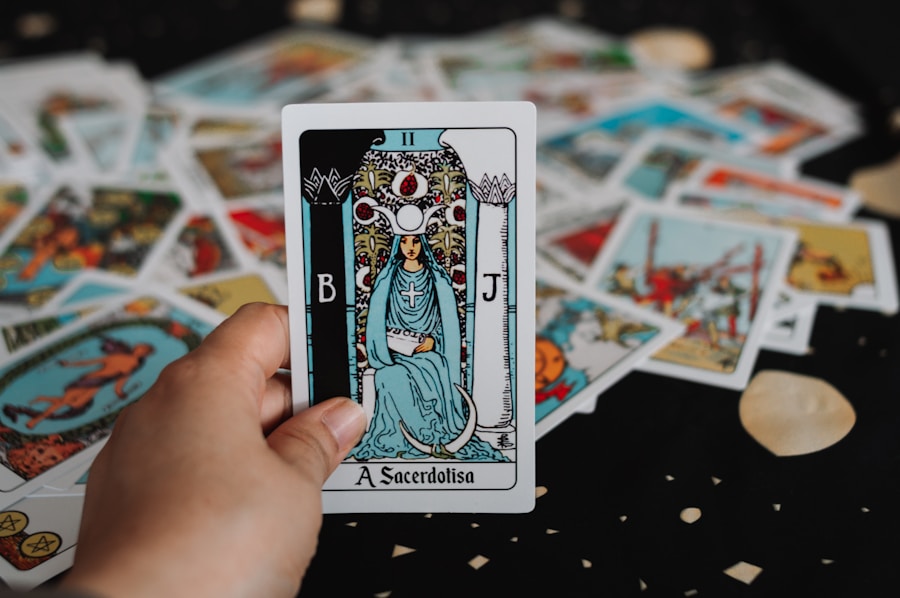
Tarot reading is a practice that involves interpreting a set of cards, known as tarot cards, to gain insights into various aspects of life, including personal challenges, relationships, and future possibilities. Each card in a tarot deck carries its own symbolism and meaning, which can vary depending on its position in a spread and the context of the question posed by the querent, or the person seeking guidance.
Typically, a tarot deck consists of 78 cards divided into two main sections: the Major Arcana, which represents significant life events and spiritual lessons, and the Minor Arcana, which deals with everyday situations and experiences.
The process of tarot reading is often seen as a form of divination, where the reader uses their intuition and knowledge of the cards to provide insights. While some people view tarot readings as a mystical experience, others see them as a tool for self-reflection and personal growth.
Regardless of the perspective one holds, tarot readings can serve as a means to explore one’s thoughts and feelings, offering clarity and direction in times of uncertainty.
The History and Origins of Tarot Cards
The origins of tarot cards can be traced back to the 15th century in Europe, where they were initially created as playing cards. The earliest known tarot decks were developed in Italy and were used for games rather than divination. It wasn’t until the late 18th century that tarot cards began to be associated with mysticism and fortune-telling.
This shift was largely influenced by figures such as Antoine Court de Gébelin, who claimed that tarot cards held ancient Egyptian wisdom and were a means of accessing hidden knowledge. As the practice of tarot reading evolved, various esoteric traditions began to adopt and adapt the cards for their own purposes.
The Rider-Waite-Smith deck, created in 1909 by artist Pamela Colman Smith and scholar Arthur Edward Waite, became one of the most popular and widely used tarot decks in the world.
Its imagery and symbolism have influenced countless other decks, making it a cornerstone of modern tarot practice. Today, tarot is embraced by individuals from diverse backgrounds, each interpreting the cards through their unique cultural lenses.
How Tarot Readings Work
For example, a three-card spread might represent the past, present, and future, while a Celtic Cross spread offers a more comprehensive view of various influences affecting the querent’s life.
Once the cards are laid out, the reader interprets their meanings based on their positions and relationships to one another. This interpretation is often informed by traditional meanings associated with each card, as well as the reader’s intuition and personal insights.
The process is highly interactive; readers may encourage querents to share their thoughts and feelings about the cards, fostering a dialogue that can lead to deeper understanding and reflection. For more information on tarot cards, visit Tarot Rosetta.
Benefits of Getting a Tarot Reading
One of the primary benefits of getting a tarot reading is the opportunity for self-reflection. Many individuals find that the process encourages them to think critically about their lives, decisions, and emotions. By exploring their questions through the lens of tarot, querents can gain new perspectives on their challenges and aspirations.
This introspective aspect can be particularly valuable during times of transition or uncertainty. Additionally, tarot readings can provide validation and reassurance. When individuals receive insights that resonate with their experiences or feelings, it can affirm their intuition and help them feel more confident in their choices.
Furthermore, tarot can serve as a catalyst for personal growth; by identifying patterns or obstacles in their lives, querents may be inspired to take proactive steps toward positive change.
Common Misconceptions about Tarot Readings

Despite its growing popularity, there are several misconceptions surrounding tarot readings that can deter individuals from exploring this practice. One common belief is that tarot readings predict an unchangeable future. In reality, tarot serves as a tool for guidance rather than a definitive forecast.
The insights gained from a reading can illuminate potential paths but do not dictate outcomes; individuals still possess free will to shape their destinies. Another misconception is that tarot readers possess supernatural abilities or powers. While some readers may have heightened intuition or psychic skills, many rely on their knowledge of the cards and their ability to connect with querents on an emotional level.
This means that anyone can learn to read tarot with practice and dedication, making it accessible to those interested in exploring its depths.
Finding a Reputable Tarot Reader
When seeking a tarot reader, it is essential to find someone who resonates with you personally and professionally. Recommendations from friends or online reviews can be helpful starting points. Many readers offer introductory sessions or free consultations, allowing potential clients to gauge their compatibility before committing to a full reading.
It is also important to consider the reader’s experience and approach; some may focus on psychological insights while others emphasize spiritual guidance. In addition to personal compatibility, ensure that the reader maintains ethical practices. A reputable tarot reader will respect your boundaries, confidentiality, and autonomy while providing insights.
They should encourage you to make your own decisions rather than dictating what you should do based on the reading.
What to Expect During a Tarot Reading
During a tarot reading, you can expect an atmosphere that encourages openness and reflection. Most readers will begin by asking you about your intentions or questions for the session. This initial conversation helps set the tone for the reading and allows the reader to tailor their approach to your needs.
Once you have shared your thoughts, the reader will shuffle the deck and lay out the cards according to the chosen spread. As the reading progresses, you will likely engage in a dialogue with the reader about the meanings of each card and how they relate to your situation. This interaction can be enlightening; many people find that discussing their thoughts about the cards leads to deeper insights than they initially anticipated.
The experience is often collaborative, with both you and the reader working together to uncover layers of meaning.
How to Prepare for a Tarot Reading
Preparing for a tarot reading can enhance your experience and ensure you get the most out of it. Start by reflecting on what you hope to gain from the session; consider specific questions or areas of your life you want to explore. Writing these down can help clarify your intentions and provide focus during the reading.
Additionally, approach the session with an open mind; being receptive to new ideas and perspectives will allow you to fully engage with the insights offered. It may also be beneficial to create a comfortable environment for yourself before the reading. Whether it’s finding a quiet space or engaging in calming activities like meditation or deep breathing exercises, setting a positive mindset can help you connect more deeply with the process.
Remember that tarot readings are not just about receiving answers but also about exploring your inner landscape.
Making the Decision: Should You Get a Tarot Reading?
Deciding whether to get a tarot reading ultimately depends on your personal beliefs and circumstances. If you are at a crossroads in your life or seeking clarity on specific issues, a tarot reading may provide valuable insights that help guide your decision-making process. Many individuals find that engaging with tarot fosters self-awareness and encourages them to explore their feelings more deeply.
However, it is essential to approach tarot readings with realistic expectations. While they can offer guidance and perspective, they are not substitutes for professional advice in areas such as mental health or financial planning. If you feel drawn to explore this practice, consider it an opportunity for self-discovery rather than an absolute solution to your problems.
Ultimately, whether you choose to pursue a tarot reading should align with your curiosity and desire for personal growth.
Get Reading On Love,Career,Life Path & Destiny - Accurate Psychic Readings - 24/7!!