
This post may contains affiliate links. I earn a commission if you purchase through these links,See my Disclosure
The boardroom often feels like a battlefield of data, projections, and an overwhelming need for decisive action. In this high-stakes environment, where every choice can ripple through an organization’s future, leaders are constantly seeking new tools to gain an edge.
While traditional analytics, market research, and strategic planning remain paramount, an increasing number of individuals and companies are turning to an unexpected source for insight: Tarot. Far from being a mere fortune-telling device, Tarot offers a symbolic language, a framework for introspection, and a powerful way to illuminate hidden perspectives.
Understanding the Role of Tarot in Business
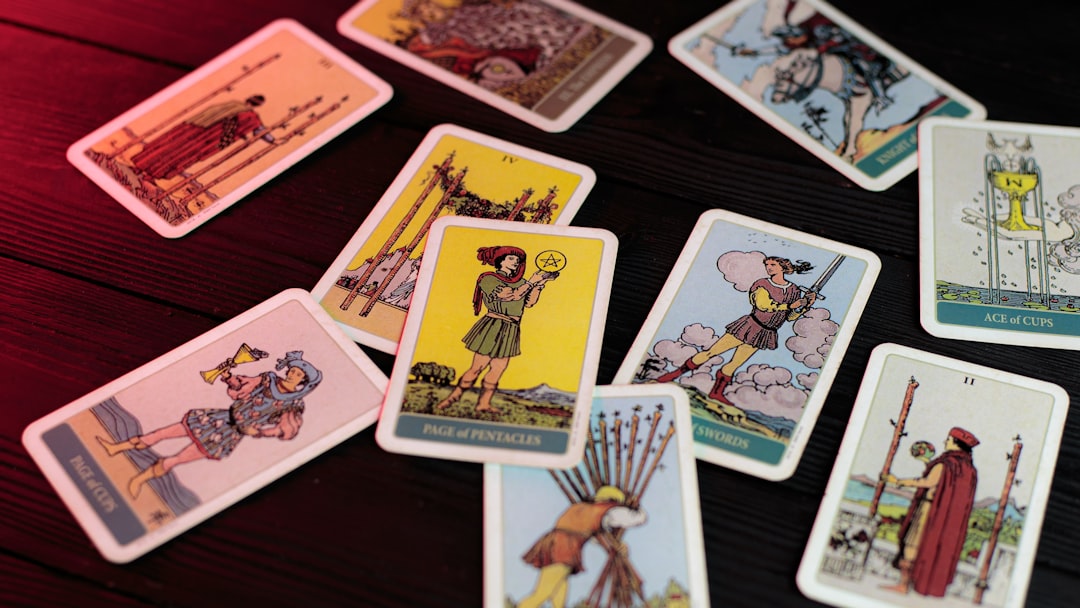
At its core, Tarot is a system of 78 illustrated cards, each rich with archetypal imagery, symbolic meaning, and narrative potential. When applied to business, it functions not as a crystal ball predicting specific outcomes, but as a sophisticated reflective tool.
Moving Beyond Fortune-Telling
The common misconception is that Tarot will give you a definitive “yes” or “no” answer, or tell you precisely what will happen next quarter. This approach misses the true power of the cards. Instead, think of Tarot as a mirror reflecting the conscious and unconscious dynamics at play within a business situation.
It helps to clarify your own thoughts, identify potential challenges or opportunities you might have overlooked, and understand the energetic currents surrounding a decision. It’s less about predicting the future and more about understanding the present and shaping a more informed future.
Tarot as a Strategic Thinking Tool
Many successful leaders instinctively understand the importance of intuition alongside rigorous analysis. Tarot helps to bridge this gap. It can be used to brainstorm, to explore different angles of a problem, or to uncover the underlying motivations of team members, partners, or even competitors. By presenting a symbolic narrative, it often triggers new ideas and creative solutions that might not emerge from a purely logical approach. It encourages a more holistic view, integrating emotional, spiritual, and strategic elements into the decision-making process.
Incorporating Tarot into Your Decision-Making Process
Integrating Tarot doesn’t mean abandoning your tried-and-true methods; rather, it means augmenting them. It’s a layer of depth that can enrich your strategic thinking.
Preparing for a Tarot Reading
Before pulling any cards, clear articulation of your question or concern is crucial. Vague questions lead to vague answers. For instance, instead of “Will my new product succeed?”, ask “What are the key opportunities and challenges I need to address for the successful launch of my new product?” or “What energies are supporting and hindering the growth of my new product line?” The clearer the intention, the more focused and insightful the reading will be.
It’s also helpful to ground yourself, perhaps through a few minutes of meditation, to ensure you approach the cards with an open and receptive mind.
Setting Intentions and Boundaries
It’s important to define precisely what you hope to gain from the reading. Are you looking for clarity on a specific negotiation? Understanding the dynamics of a team conflict? Exploring potential risks of a new venture?
Be specific. Also, establish boundaries: you are seeking insight into possibilities and influences, not definitive decrees. Tarot empowers you to make better decisions; it doesn’t make the decision for you. It’s a partner in the process, not a substitute for your own agency and responsibility.
Choosing the Right Tarot Spread for Business Decisions
The layout, or “spread,” of the cards provides a structure for your inquiry, with each position representing a different aspect of your question. If you’re interested in learning how to use tarot for business decisions, check out this article on how to use tarot for business decisions.
Spreads for Strategic Planning
For complex strategic issues, a spread that offers multiple perspectives is ideal. The Celtic Cross, for example, is a classic and robust spread that can illuminate the core issue, opposing forces, underlying influences, conscious thoughts, future possibilities, and the overall outcome or advice.
For business, you might adapt it to represent key stakeholders, market conditions, internal resources, and external pressures. Another effective spread could focus on a timeline: past influences, current situation, immediate future, and long-term outlook.
Spreads for Problem Solving
When facing a specific problem, a more focused spread is beneficial. A “Pros and Cons” spread might involve three cards for each side, revealing hidden advantages and disadvantages.
A “Challenge and Solution” spread could have one card defining the challenge, another offering a key insight or solution, and a third representing the action to take. For evaluating partnerships or mergers, a “Relationship” spread designed to show the dynamics between two entities can be incredibly insightful, highlighting areas of harmony and potential conflict.
Spreads for Team Dynamics
Understanding the human element is crucial in business. A spread focused on team dynamics could involve one card per team member, revealing their individual contributions, motivations, or potential blocks.
Alternatively, a spread could explore the overall “energy” of the team, where challenges lie, and how to foster greater collaboration and productivity. These spreads offer a symbolic snapshot of interpersonal relationships, helping leaders navigate delicate situations and build stronger teams.
Interpreting Tarot Cards in a Business Context
Interpretation is where the rubber meets the road. It requires intuition, knowledge of the card meanings, and the ability to translate archetypal symbolism into practical business insights.
General Card Meanings vs. Business Application
While a card like “The Empress” generally speaks of nurturing, abundance, and creativity, in a business context, it could signify a new product line blossoming, a strong focus on customer satisfaction, or the need for creative problem-solving within a project.
“The Tower,” often associated with sudden upheaval, might point to an unexpected market disruption, a necessary restructuring, or a sudden loss of a key client, prompting the need for rapid adaptation. Each card needs to be considered within the specific framework of your business question.
The Nuances of Reversals
Some Tarot readers use reversed cards differently, indicating blocked energy, an exaggeration of a card’s shadow aspect, or an internal focus. For business, a reversed “Justice” card might suggest unfair practices, legal complications, or an imbalance in a negotiation.
A reversed “Wheel of Fortune” could signal resistance to change, missed opportunities due to inflexibility, or a period of stagnation. The significance of reversals often depends on personal interpretation, but they generally highlight areas requiring closer attention or a shift in approach.
Integrating Intuition and Logic
The most powerful interpretations combine your professional expertise and logical analysis with the intuitive insights gleaned from the cards. If the cards suggest a direction that seems counter-intuitive based on your data, it’s not a dismissal of the data, but an invitation to re-examine your assumptions.
Perhaps there’s a hidden variable or an emotional undercurrent you haven’t considered. Use the Tarot insights to challenge your thinking, not to replace it.
Using Tarot to Gain Insight and Clarity in Business Matters

Tarot can illuminate various aspects of your business, providing clarity where there might otherwise be ambiguity.
Uncovering Hidden Opportunities and Risks
Often, the cards will draw attention to factors that are not immediately apparent. A “Death” card, for instance, might not mean the literal end of your business, but the necessary letting go of an outdated strategy, a toxic partnership, or an inefficient process to allow for regeneration.
It signals transformation, which, while sometimes uncomfortable, is often crucial for growth. Similarly, a card like “The Star” could point to an unexpected opportunity for innovation, a surge in optimism, or a brilliant new vision that’s waiting to be pursued.
Gaining Perspective on Challenging Situations
When faced with a difficult decision, such as a layoff, a product discontinuation, or navigating a hostile takeover, Tarot can offer a broader perspective. It can highlight the energetic implications of different choices, the impact on various stakeholders, and the underlying lessons to be learned.
This isn’t about finding an “easy” way out, but about making a more conscious and responsible decision, understanding the full scope of its implications.
Fostering Creativity and Innovation
The rich symbolism of Tarot often acts as a potent catalyst for creative thought. When a “Hierophant” card appears in a brainstorm about a new marketing campaign, it might provoke ideas related to tradition, education, or establishing authority in a niche.
The “Magician” could inspire innovation, effective communication, and manifesting ideas into reality. The cards serve as prompts, encouraging you to think outside conventional boxes and explore novel solutions.
Avoiding Common Pitfalls When Using Tarot for Business Decisions
While Tarot can be a powerful tool, its misuse can lead to misdirection and frustration.
Over-Reliance and Decision Paralysis
The most significant pitfall is treating Tarot as a definitive oracle that makes decisions for you. This leads to an unhealthy over-reliance, where you might delay action waiting for the “perfect” reading, or worse, ignore your own judgment and expertise.
Tarot is an advisory tool, not a substitute for strategic thinking, market analysis, and solid business fundamentals. You are still the CEO, the founder, the leader, and the ultimate decision-maker.
Ignoring Your Intuition and Expertise
If a Tarot reading conflicts strongly with your gut feeling or your professional judgment, don’t dismiss your own inner wisdom. The cards are one input among many. Perhaps your interpretation is flawed, or the question wasn’t framed precisely enough.
Use the tension between the reading and your intuition as an invitation for deeper reflection, not as a command to blindly follow. Your accumulated experience and intrinsic understanding of your business are invaluable.
Misinterpreting Cards Out of Context
Interpreting a single card in isolation, without considering its position in the spread, its relationship to other cards, and the overarching question, is a common error.
A card like “The Devil,” while often associated with negative connotations like addiction or materialism, in a business context could signify being bound by a restrictive contract, a need to confront shadow aspects within the company culture, or even the power of temptation in a competitive market.
Its meaning shifts dramatically depending on the surrounding narrative. Always interpret cards within their context.
Incorporating Tarot Practices into Your Business Strategy
Beyond individual readings, Tarot can become a regular, integrated part of your strategic toolkit.
Regular Strategic Reflection Readings
Just as you have quarterly financial reviews, consider conducting quarterly or bi-annual “strategic reflection” Tarot readings.
These can be comprehensive spreads designed to assess the overall health of the business, identify upcoming trends, review stakeholder relationships, and gauge the energetic alignment of your strategic goals. These readings can be a powerful way to pause, reflect, and gain a holistic overview of your operations.
Team Building and Brainstorming Sessions
For teams open to innovative methods, Tarot can be incorporated into brainstorming sessions. Each team member might pull a card in response to a specific challenge, using the imagery and symbolism as a jumping-off point for new ideas.
This can break down creative blocks and encourage diverse perspectives, as everyone interprets the cards through their own lens. It fosters a playful yet profound engagement with complex problems.
Ethical Considerations and Confidentiality
When using Tarot in a professional setting, especially if involving others, ethical considerations are paramount. Ensure that any readings are conducted with utmost respect for privacy and confidentiality.
Never use Tarot to manipulate or control others. The insights gained should always be used to empower, enlighten, and uplift, supporting responsible leadership and ethical business practices. Tarot, at its best, is a tool for self-awareness and conscious decision-making, helping leaders navigate the complex landscape of business with greater wisdom and clarity.
Personal Love,Career,Life Path & Destiny - Accurate Psychic Readings - 24/7!!